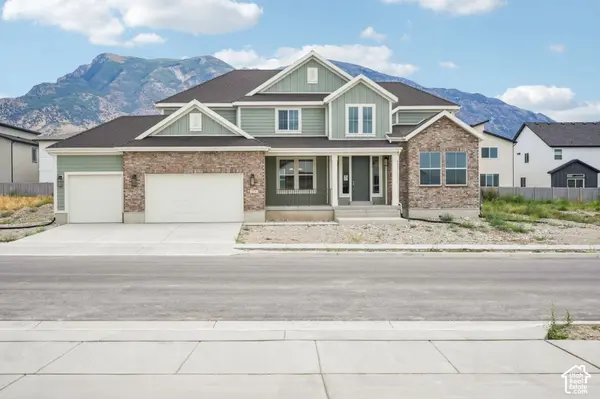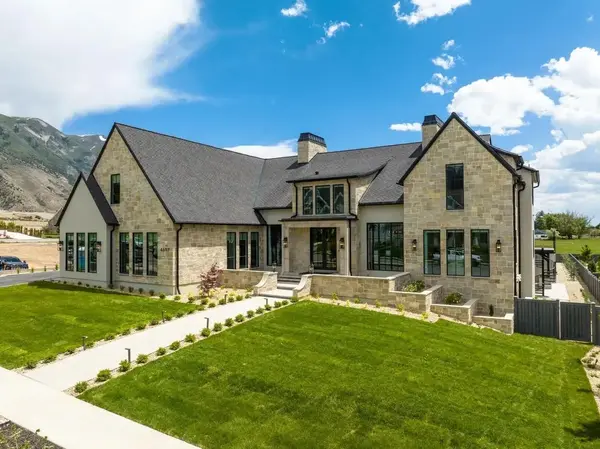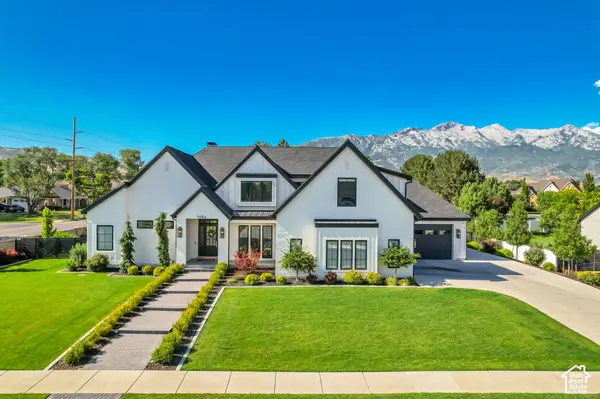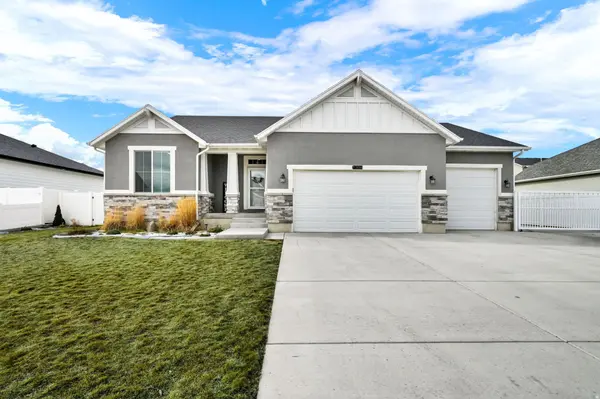
New Construction Homes in Utah: What to Know Before You Buy
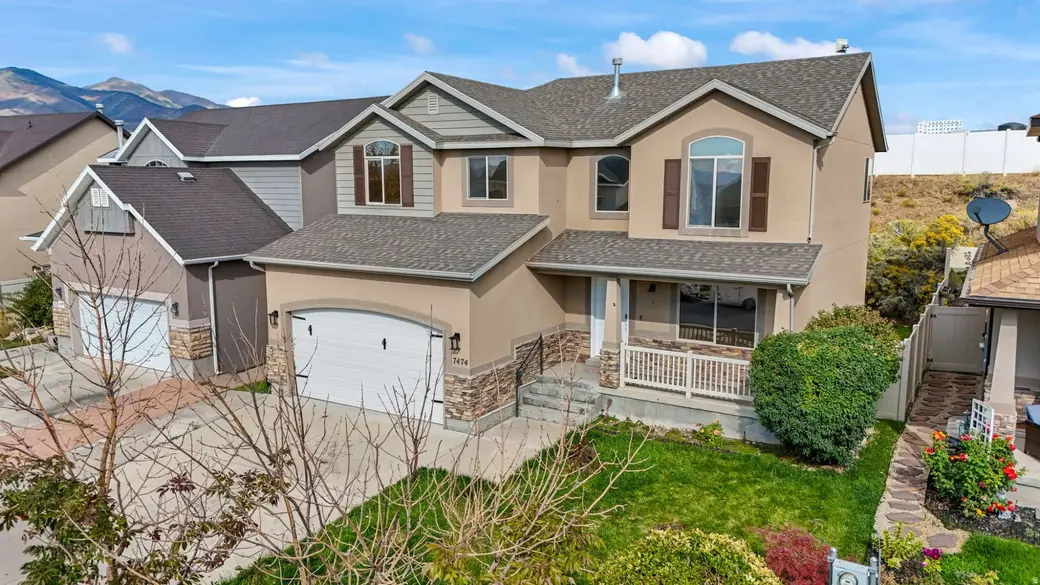
New Construction Homes in Utah: What to Know Before You Buy
New construction is everywhere in Utah. From Eagle Mountain to Spanish Fork, Lehi to Vineyard, whole neighborhoods are going up, and builders are advertising brand new homes with special rates and incentives. A brand new home can be a great choice. Everything is fresh, the layout is modern, and you often get a warranty. But buying new comes with its own rules and its own traps. Here is what to know before you sign a builder contract.
What Does New Construction Cost in Utah Right Now
According to MLS data, there are more than 4,200 new construction homes listed for sale across Utah. The median asking price is about 619,000 dollars. The median sale price over the last 12 months is around 532,000 dollars, based on more than 9,000 closed sales, and the typical closed home was about 2,675 square feet at roughly 226 dollars per square foot.
The gap between asking and sold prices tells you something important. Builders are negotiating, and they are often doing it through incentives and not through price drops. So the number on the sign is not always what buyers end up paying. Every builder and every community is different, so check the actual numbers for the neighborhood you like.
What Builder Incentives Are Out There
With mortgage rates around 7.4 percent in mid October, according to Freddie Mac, many builders are trying to help buyers with payments. Some are cutting prices on homes they need to sell. Others are offering temporary rate buydowns, where a payment of money up front lowers your interest rate for the first year or two. Some offer help with closing costs or free upgrades.
Temporary buydowns can be useful, but you have to understand them. They lower your payment for an initial period, and then the payment goes up to the full amount. Ask yourself whether you can afford the full payment, because that is what you will be paying for the life of the loan. Also ask whether you could get a better deal by negotiating the price down instead of taking the incentive. The right answer depends on the numbers, and I am glad to run them with you.
Should You Use the Builder's Lender
Builders often offer their best incentives if you use their preferred lender. Sometimes that is a great deal and sometimes it is not. Before you commit, get a written estimate from the builder's lender and from at least one outside lender, and compare the interest rate, closing costs, and the value of the incentive side by side. If the builder's offer is truly better, take it. If it is not, you can ask the builder to match it or you can walk away from the incentive and save money overall.
Also ask about the rate lock. New construction can take months to finish, and a standard rate lock lasts 30 to 60 days. Extended locks of 90 days or more usually cost an up front fee, commonly about a quarter of a percent to one percent of the loan. Ask how the lender handles delays, and who pays if the home is not ready when your lock expires.
Why Should Your Agent Be With You on the First Visit
This surprises many buyers. Most builders require that your agent be present, or that you register with your agent, the first time you visit the community. If you walk in alone, the builder may treat you as an unrepresented buyer, and you can lose the chance to have an advocate in your corner. The builder's sales team works for the builder. That is not a bad thing, but it means you should have someone whose job is to look out for you.
Bring your agent to the first visit, ask them to help you read the contract, and ask them to walk you through the options. If you want to start, call me before you tour.
What Do You Need to Understand in the Builder Contract
Builder contracts are usually written by the builder's attorneys, and they often look very different from the standard resale contract. Read it carefully, and ask questions about every part you do not understand. Here are the big items to look for.
Look at the deposit and what happens to it if the deal falls through. Look at the estimated completion date and whether the builder can delay it without penalty. Look at the price and what exactly is included, because upgrades, lot premiums, and landscaping can add tens of thousands of dollars. Look at the rules about changes in price, since some builders can raise prices if their costs go up. Look at when you can inspect the home, and what the builder will do about problems you find. And look at the warranty.
Do New Homes Need an Inspection
Yes, absolutely. A new home is not a perfect home. Building is done by many crews on tight schedules, and mistakes happen. A city inspector checks that the work meets code, but they do not look as closely as a private inspector who works for you. Hire your own inspector to check the home before the final walkthrough, and ideally also at the framing stage if the builder allows it.
My post on what a home inspector checks in Utah explains what a good inspection covers. Take notes of every item you find, take photos, and make sure the builder agrees in writing to fix them before you close.
What Should You Know About the Builder Warranty
Most builders offer a warranty, but the details vary a lot. A common structure is a shorter warranty on workmanship, a longer one on systems like plumbing and electrical, and a long term warranty on major structural defects. Ask for the exact terms in writing. Find out how to submit a claim, how long the builder has to respond, and what is excluded.
Whatever your warranty says, put a reminder on your calendar well before it ends. Many homeowners wait until the last week of their warranty period to look for problems, and then it is too late. Walk through the home carefully around month 11 of a one year warranty and write down everything that needs attention.
What Are the Extra Costs of a New Build
The listed price is rarely the whole story. Budget for landscaping, fencing, window coverings, and appliances if the builder does not include them. Ask about HOA dues and any special assessments. Ask about the property tax situation, because the first tax bill may be based on land only, and the full bill after the home is assessed may be higher. And think about utilities and any hookup fees.
These costs can add up, so ask for a complete list before you decide. A home that looks cheaper than a resale may end up costing more after you add in everything it needs.
Is There Down Payment Help for New Construction in Utah
Yes, there are programs worth checking. For example, the Utah Housing Corporation has offered first time homebuyer assistance of up to 20,000 dollars toward a newly built home priced at or below 450,000 dollars, which is repaid when you sell or refinance. Program rules and funding change, so check with a lender about what is available now. I also have a guide on down payment assistance in Utah County that covers more options.
How Is Buying New Different From Buying Resale
On timing, new construction can take many months, and your move date may shift. On negotiating, there is often less room on the price but more room on incentives. On condition, everything is new, but it is also untested, and settling and small defects are common in the first year. On the closing, you will still get a lender, title company, and closing documents, so my post on what happens on closing day in Utah applies here as well.
Resale homes give you a lived in neighborhood with mature trees and finished surroundings. New communities can have construction noise and unfinished roads for a couple of years. Think about what matters most to you.
What I Tell Clients Who Want a New Build
I have helped clients through new builds, and the thing I tell them most is to slow down and compare. A model home with the right lighting and the right furniture will charm anyone. Then I ask them to look at the contract, the lot, the incentive math, the neighbors still under construction, and the total cost. If everything adds up, great. If not, we look at resale homes or other builders. I would rather you buy the right home than the first one you fall in love with. And for my Spanish speaking buyers, I translate the builder paperwork so you know exactly what you are agreeing to.
Frequently Asked Questions
Is it cheaper to buy new construction or an existing home in Utah
It depends on the area and the home. Median asking prices for new construction are higher than the median sale price, which suggests builders negotiate, often through incentives. Add the extra costs of a new build to compare fairly.
Should I use the builder's lender
Compare it with at least one outside lender. The builder's incentive may be worth it, but only if the total cost is lower once you compare the rate, closing costs, and incentive side by side.
Do I need my own agent for a new construction home
It is a good idea. The builder's sales team works for the builder, and many builders require your agent to be present on your first visit. An agent can help you read the contract and compare options.
Should I get an inspection on a brand new home
Yes. City inspections check code, but a private inspector who works for you can find issues the builder missed. Do it before your final walkthrough so the builder can fix problems before closing.
How long does a new construction home take to build in Utah
It varies by builder and by whether the home is already under construction. Ask for an estimated completion date and what happens if it slips, and plan for some flexibility in your move date.
If you are thinking about a new build and want help comparing it to resale homes, call or text me at 801-636-3609. You can browse homes on my website, and if you have a home to sell first, you can start with danarealtorutah.com/evaluation.
Categories
Recent Posts