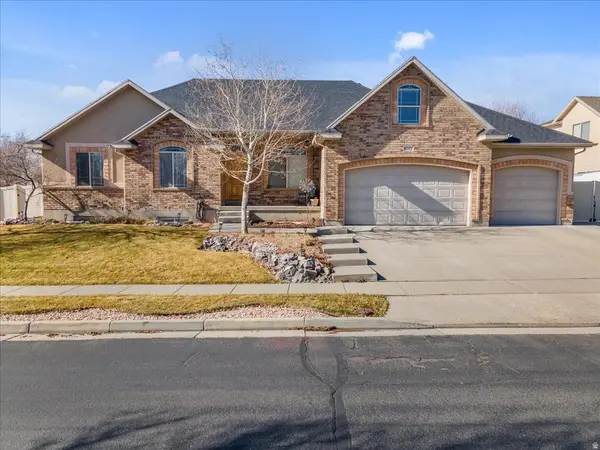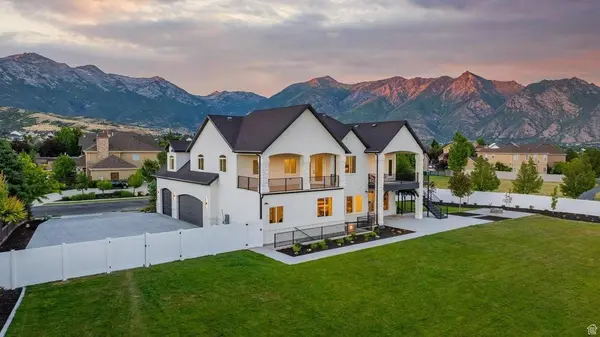
What's the Difference Between a Condo and a Townhome in Utah?
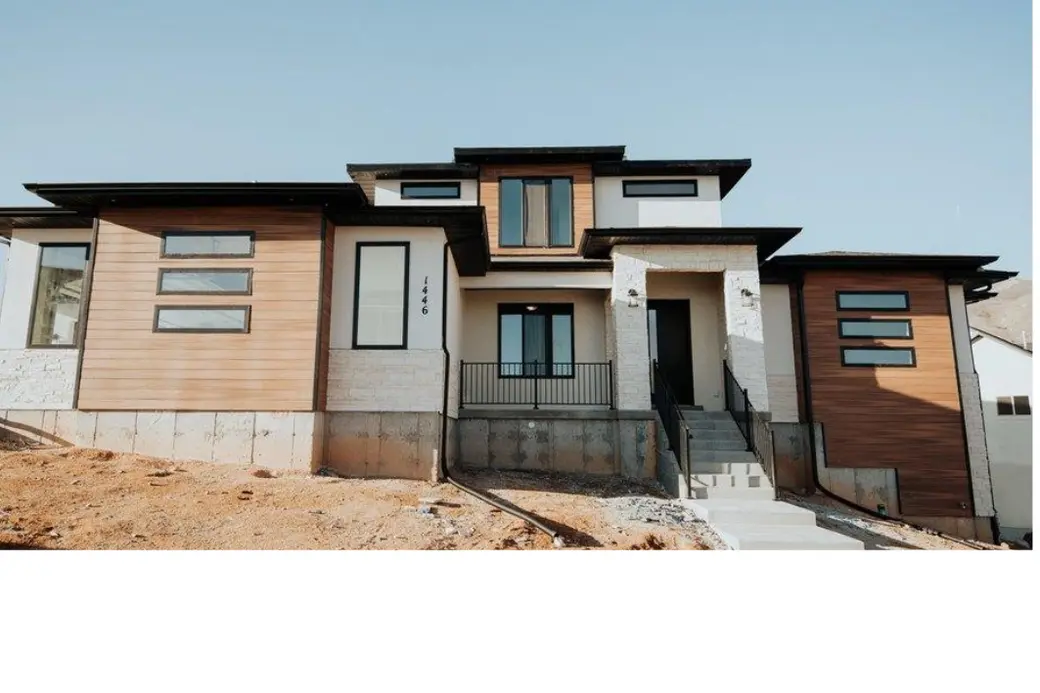
What's the Difference Between a Condo and a Townhome in Utah?
The core difference comes down to what you legally own, a condo means you own the interior airspace while the association owns the building and land, while a townhome typically means you own the structure and the ground it sits on, similar to a single-family home.
What You Actually Own in a Condo
In a condominium, your ownership is generally limited to the interior space of your unit, walls in, and you hold an undivided interest in common areas like the roof, exterior walls, landscaping, and shared amenities alongside other owners. The homeowners association typically handles all exterior maintenance, since they collectively own that part of the property.
What You Actually Own in a Townhome
A townhome typically means you own your unit's structure and often the land directly beneath it, even though it shares walls with neighboring units. You're generally responsible for your own exterior maintenance and roof, similar to a detached single-family home, though this varies by specific development and its governing documents.
Why This Legal Distinction Actually Matters
This affects what your HOA dues cover, condo dues typically include more exterior maintenance responsibilities and often run higher as a result, while townhome dues might cover only shared amenities or common area landscaping, leaving structural maintenance to you individually.
Financing Can Differ Too
Some lenders apply additional scrutiny to condo purchases, reviewing the condo association's finances, insurance, and owner-occupancy ratio, since Fannie Mae and Freddie Mac guidelines include specific condo project approval requirements. Townhomes, particularly when legally structured as fee-simple ownership rather than a condo regime, generally avoid this additional layer of underwriting review.
Condo vs Townhome Comparison
A condo means owning interior airspace with shared building and land, exterior maintenance handled by the HOA, typically higher HOA dues, and additional lender review of the association. A townhome means owning the structure and often the land beneath it, exterior maintenance often the owner's responsibility, often lower amenity-focused HOA dues, and generally more straightforward financing.
It's Not Always About the Physical Building
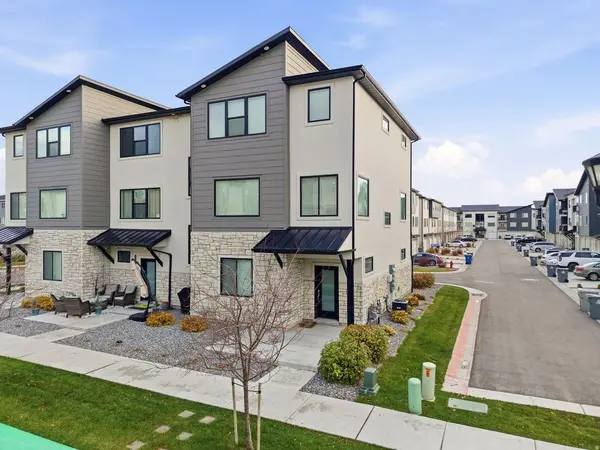
Confusingly, a physically attached, multi-story unit that looks exactly like a "townhome style" building can actually be legally structured as a condominium, while a similar-looking building elsewhere might be a true townhome. The legal structure, not the physical appearance, is what actually determines which category a property falls into.
How to Confirm Which You're Actually Buying
Ask your agent or check the property's legal description and governing documents directly, rather than assuming based on the building's appearance or how it's marketed. This matters for your financing process, your ongoing maintenance responsibilities, and your HOA dues.
I clarify this distinction with every buyer looking at attached housing in Utah County, since the physical look of a building tells you almost nothing about its actual legal structure. If you're comparing condo and townhome options, I'm glad to help you understand exactly what you'd be buying.
Frequently Asked Questions
Is a townhome always cheaper than a condo in Utah?
Not necessarily on price, but townhome HOA dues are often lower since owners typically handle more of their own exterior maintenance.
Why do some lenders scrutinize condo purchases more than townhomes?
Fannie Mae and Freddie Mac guidelines include specific condo project approval requirements reviewing the association's finances and owner-occupancy ratio, which townhomes structured as fee-simple ownership generally avoid.
Can a building look like a townhome but legally be a condo?
Yes, the physical appearance of a building doesn't determine its legal structure, which is defined by the property's governing documents.
Who's responsible for the roof in a condo versus a townhome?
Typically the HOA in a condo, while townhome owners often handle their own roof and exterior maintenance, though this varies by specific development.
How do I confirm whether a property is legally a condo or townhome?
Check the legal description and governing documents directly, rather than assuming based on the building's appearance.
If you're comparing condo and townhome options in Utah County, I would love to help you understand exactly what you'd be buying. Call or text me at 801-636-3609.
Should I Buy Land and Build Later, or Buy a Finished Home Now in Utah County?
Wondering what your Utah home is worth? Learn more here.
How Much Is My Utah Home Worth
Thinking about building instead of buying? Learn more here.
Categories
Recent Posts