Cost of Living in Saratoga Springs Utah in 2026: What Relocation Buyers Should Expect

Cost of Living in Saratoga Springs Utah in 2026: What Relocation Buyers Should Expect
If you are considering moving to Saratoga Springs Utah in 2026, one of the first questions you likely have is about cost of living.
Saratoga Springs has grown rapidly over the past decade, and with that growth comes changing housing prices, utility costs, and everyday expenses. Understanding the full financial picture before relocating helps you avoid surprises and plan confidently.
Cost of living in Saratoga Springs is influenced primarily by housing, transportation, property taxes, and household utilities.
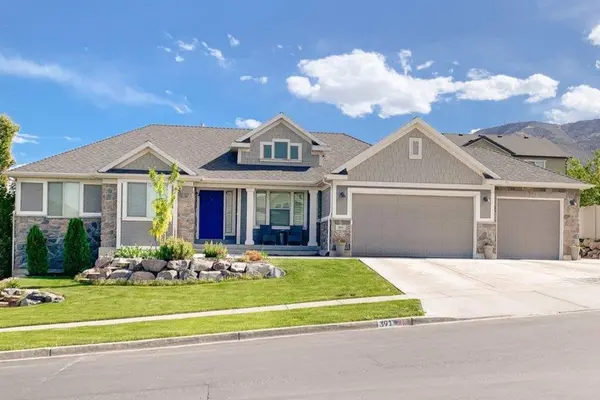
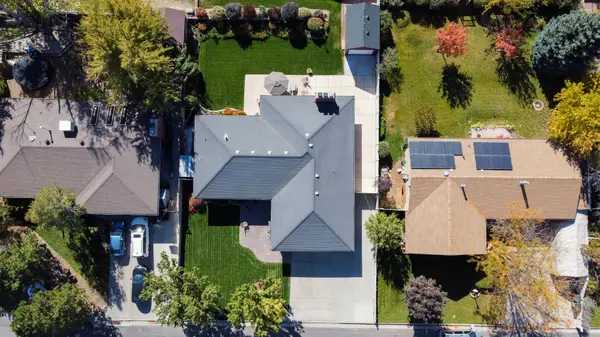
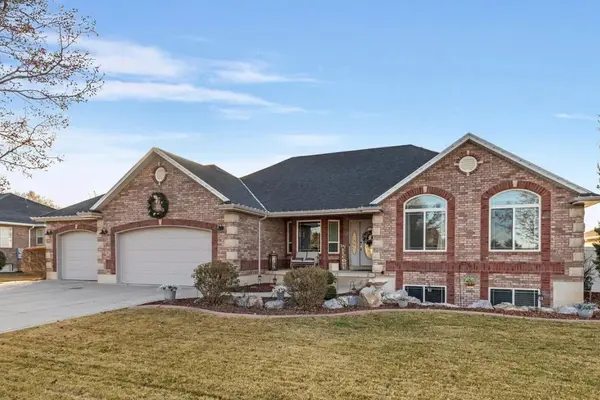
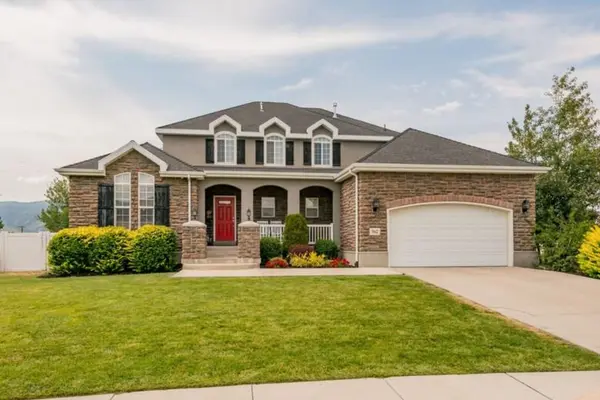
Housing Costs in Saratoga Springs Utah
Housing is the largest cost factor.
In 2026, Saratoga Springs remains one of the more affordable cities in northern Utah County compared to some neighboring markets, but prices have risen steadily with growth.
Buyers can expect:
• A mix of new construction and resale homes
• Pricing that reflects strong demand from Utah County professionals
• Competitive pricing in well positioned neighborhoods
New construction often includes HOA fees, which should be factored into monthly budgeting.
Renters relocating to Saratoga Springs should expect rental pricing aligned with newer suburban communities rather than older apartment markets.
Property Taxes in Saratoga Springs
Utah property taxes are generally moderate compared to many coastal states.
Saratoga Springs homeowners typically pay:
• County level property taxes based on assessed value
• Possible HOA dues depending on neighborhood
• Special service district fees in certain communities
Property taxes in Utah are reassessed annually and are often lower as a percentage compared to states like California, Texas, or Illinois.
Utilities and Household Expenses
Utility costs in Saratoga Springs vary depending on home size and season.
Residents should budget for:
• Electricity
• Natural gas
• Water and sewer
• Trash services
Newer homes may benefit from improved energy efficiency, which can reduce long term utility costs.
Transportation and Commute Costs
Saratoga Springs is suburban in layout. Most residents rely on personal vehicles.
Costs to consider include:
• Fuel
• Vehicle maintenance
• Insurance
• Commute time
Buyers working in Lehi often experience shorter commutes compared to those traveling toward Salt Lake County.
Grocery and Everyday Expenses
General consumer costs in Saratoga Springs are similar to broader Utah County averages.
Compared to many large metropolitan areas:
• Grocery costs are moderate
• Dining costs are balanced
• Sales tax rates remain competitive
Relocation buyers coming from high cost coastal cities often find everyday expenses more manageable.
Is Saratoga Springs Expensive in 2026?
The answer depends on where you are relocating from.
For buyers moving from:
• California
• Washington
• New York
• Illinois
Saratoga Springs often feels more affordable overall, especially in property taxes and home size value.
For buyers relocating within Utah, costs may feel aligned with other growing Utah County communities.
If you are also evaluating neighborhood options, you may find value in Best Neighborhoods in Saratoga Springs Utah in 2026.
Final Perspective
Cost of living in Saratoga Springs Utah in 2026 is driven primarily by housing and transportation.
While home prices have increased with growth, the area continues to offer value compared to many out of state markets.
Relocation buyers who evaluate total monthly cost rather than just purchase price tend to make stronger long term decisions.
Categories
Recent Posts