How Much Will You Save Moving From California to Utah in 2026?

How Much Will You Save Moving From California to Utah in 2026?
Everyone asks me the same question once they get serious about leaving California. It usually is not "should I move," it is "how much would I actually save." So I put the real numbers together, not rough guesses, actual 2026 data across housing, taxes, and insurance, so you can see exactly what the math looks like.
The Income Tax Difference Alone Is Significant
California's income tax is progressive and climbs to 13.3 percent for top earners. Utah has a flat 4.55 percent rate no matter what you make. On a $150,000 household income, that difference works out to roughly $3,400 a year back in your pocket, every single year, just from the tax rate change.
Property Taxes Favor Utah Too
Utah's average effective property tax rate runs around 0.58 to 0.6 percent. California's average is closer to 0.73 to 0.75 percent, and that is before accounting for the fact that California home prices are so much higher to begin with. On a $525,000 Utah home, you are looking at roughly $3,000 to $3,150 a year in property taxes. A comparable percentage on a California home priced closer to $950,000 would run significantly higher, even before the rate difference is factored in.
Homeowners Insurance Is Where Utah Really Pulls Ahead
The average homeowners insurance premium in California is around $1,950 a year. In Utah, that average drops to roughly $800 to $1,200 a year. That gap exists because Utah does not carry the wildfire, flood, and catastrophic weather risk that drives California premiums up year after year.
The Housing Cost Gap Is the Biggest Factor
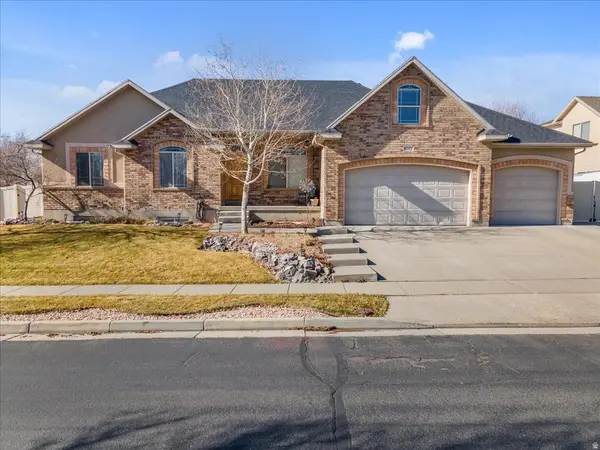
A two bedroom apartment in Salt Lake City rents for around $1,800 a month. The same size apartment in the Bay Area runs $4,200 or more, and in Los Angeles you are looking at around $3,000. If you are buying, the median home in Salt Lake City sits around $525,000, compared to roughly $950,000 statewide in California, and well over a million in the Bay Area specifically.
Adding It All Together
When you stack the income tax savings, the lower property tax rate, the significantly lower insurance premiums, and the housing cost gap together, a household earning $150,000 a year moving from a California metro to Utah County can reasonably expect to save well into the five figures annually once housing is accounted for, and that is before factoring in what a California home sale could do for a Utah down payment.
Every situation is different, and the real number depends on your specific income, your current home equity, and where in Utah County you land. I would be glad to run the actual numbers for your situation so you can see exactly what this move means for your budget. You can also get a sense of your current home's value at danarealtorutah.com/evaluation
Frequently Asked Questions
How much can I save on taxes moving from California to Utah?
A household earning $150,000 a year saves roughly $3,400 annually in income tax alone, moving from California's progressive rate to Utah's flat 4.55 percent rate.
Is homeowners insurance really cheaper in Utah?
Yes, significantly. California averages around $1,950 a year while Utah averages $800 to $1,200, largely because Utah does not carry the same wildfire and catastrophic weather risk.
Does California's Proposition 13 change this comparison for long-term owners?
It can. Prop 13 caps annual property tax increases and locks in your tax basis at your purchase price, which benefits homeowners who have owned the same California property for many years. For new buyers, Utah's current rates are still lower.
What is the biggest single factor in the savings?
The housing cost gap. The difference between a $525,000 Utah home and a $950,000 or higher California home dwarfs the tax and insurance differences on its own.
Will I still owe California taxes after I move?
Only if California considers you a resident, which is based on factors like days spent in the state, driver's license, and voter registration. Establishing Utah residency properly is worth doing carefully, and a tax professional can help confirm you have fully cut ties.
Curious what this looks like for your specific street? Text me at 801-636-3609, I'll answer personally, no auto-replies.
Categories
Recent Posts