How Buyers Decide What a Home Is Worth in Utah
How Buyers Decide What a Home Is Worth in Utah
When buyers search for a home in Utah, they are not relying on a single number or an online estimate to decide value. Most buyers form their opinion long before an offer is written, based on how a home compares to others they have already seen and how it fits their lifestyle, budget, and timing.
Understanding how buyers think about value helps sellers position their homes correctly and helps buyers feel confident in their decisions.
Buyers Compare Homes Before They Compare Prices
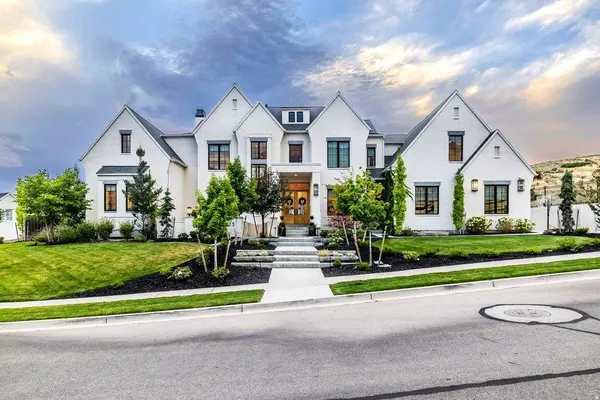
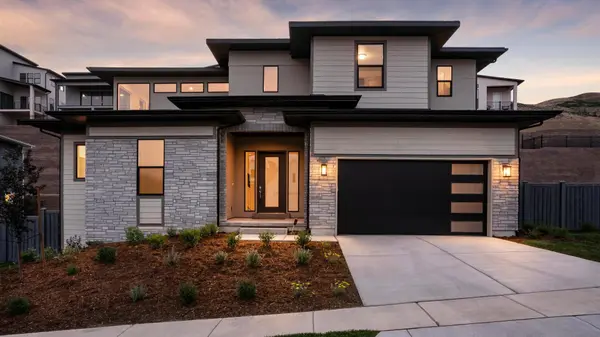
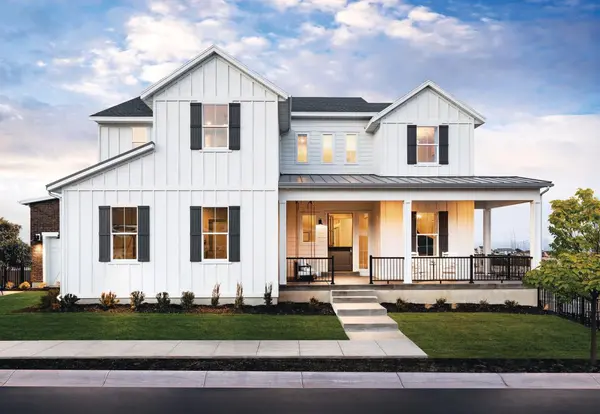
Most buyers in Utah tour multiple homes before they feel ready to act. Value is often shaped by comparison rather than price alone. A home that feels more updated, better located, or easier to live in can appear more valuable even if it is priced similarly to others.
Buyers notice layout flow, natural light, storage, and how the home feels when they walk through the front door. These impressions are often formed within minutes and influence how flexible a buyer may be on price.
Location Shapes Perceived Value in Utah
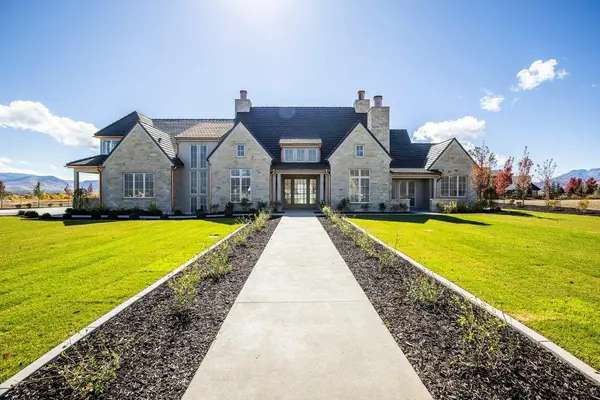
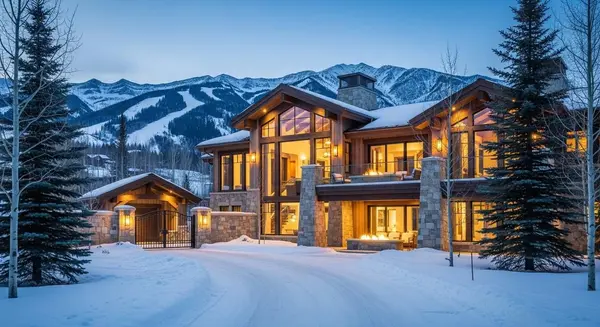
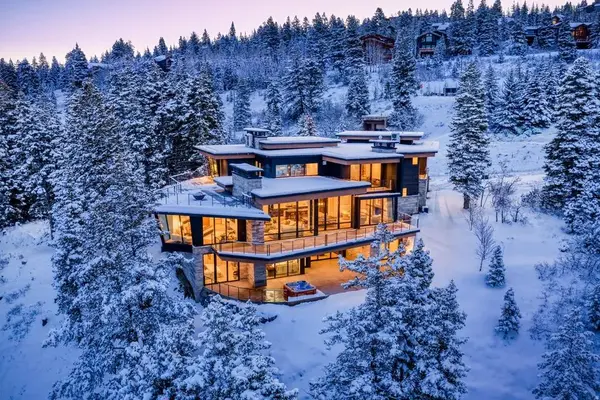
In Utah, location plays a major role in how buyers judge value. Commute patterns, proximity to schools, neighborhood layout, and nearby development all factor into decision making.
Two homes with the same square footage and price can be viewed very differently depending on where they are located. Buyers often place higher value on convenience, established neighborhoods, or areas with limited inventory.
Condition Influences Confidence More Than Cost
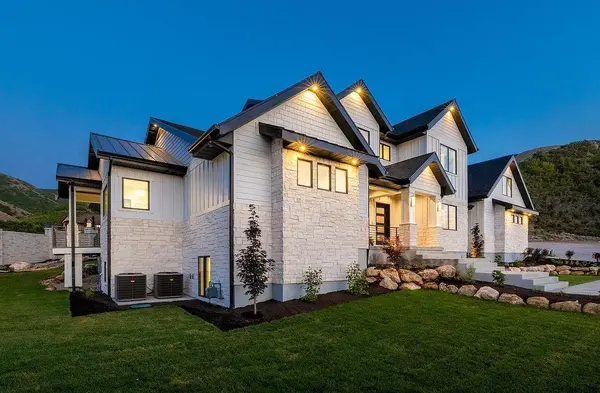
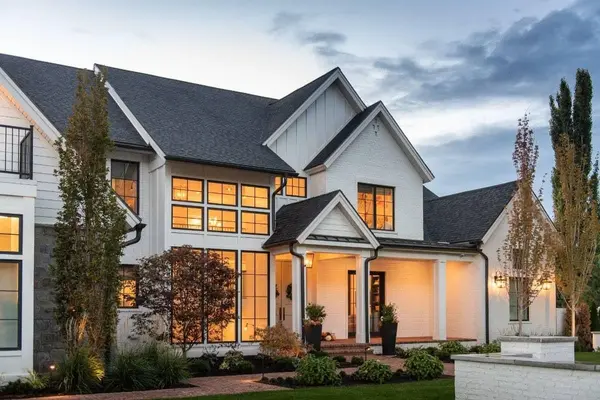
Buyers tend to associate condition with risk. Homes that feel well maintained often appear more valuable because they reduce uncertainty. Even small details such as clean flooring, fresh paint, and functioning systems can influence how buyers perceive overall worth.
In Utah markets where buyers are balancing affordability and long term comfort, condition can be the deciding factor between writing an offer or continuing to search.
Pricing Signals Matter More Than Sellers Expect
Buyers watch pricing behavior closely. A home that is priced in line with similar homes tends to attract stronger attention. Homes that feel slightly overpriced often create hesitation, even if the difference seems small.
When buyers sense that a home is priced correctly, they are more likely to act decisively. When pricing feels unclear, buyers often wait, compare, or move on.
Timing and Competition Shape Value Perception
Value is not static. Buyer perception shifts based on how many options are available and how quickly homes are selling in that specific area of Utah.
In competitive neighborhoods, buyers may view a home as more valuable simply because choices are limited. In areas with more inventory, buyers tend to be more selective and cautious.
Why This Matters for Sellers in Utah
Sellers who understand how buyers judge value are better positioned to prepare, price, and present their homes effectively. Value is created through alignment with buyer expectations, not just numbers on paper.
Homes that feel easy to say yes to often perform better than homes that require buyers to justify the price.
Why This Matters for Buyers in Utah
Buyers who understand how value is perceived can make stronger decisions and avoid overthinking. Recognizing what truly drives value helps buyers focus on what matters most to them rather than chasing perfect data.
The Bottom Line
In Utah, buyers decide what a home is worth through comparison, experience, and confidence. Price matters, but perception matters just as much.
Understanding this process leads to better outcomes on both sides of the transaction.
Categories
Recent Posts