Cost of Living in Lehi Utah in 2026 Housing, Taxes, and Everyday Expenses

Cost of Living in Lehi Utah in 2026 Housing, Taxes, and Everyday Expenses
For many people relocating to Utah County, one of the first questions they ask is about the cost of living in Lehi Utah. Located in the heart of the Wasatch Front between Salt Lake County and Provo, Lehi has become one of the fastest growing cities in northern Utah County. Its location near the Silicon Slopes technology corridor continues to attract professionals, families, and remote workers looking for a balance between employment access and suburban communities.
Understanding housing costs, taxes, transportation, and daily expenses can help buyers determine whether Lehi aligns with their long term financial plans.
Housing Costs in Lehi Utah
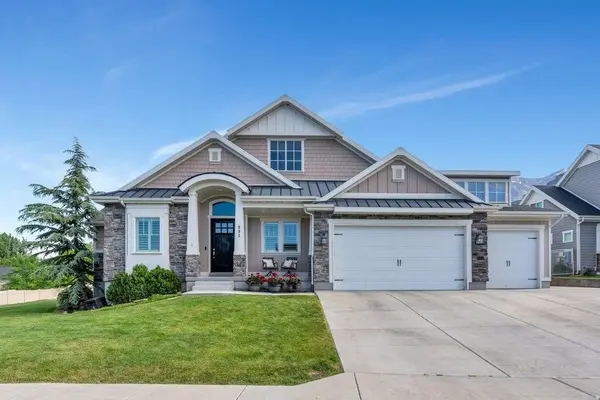
Housing is the largest expense for most residents in Lehi. Demand has increased over the past several years because of job growth in Silicon Slopes and Lehi’s central location between Salt Lake City and Provo.
Typical price ranges buyers often see in 2026 include:
• Townhomes commonly between $420,000 and $500,000
• Single family homes often between $550,000 and $800,000
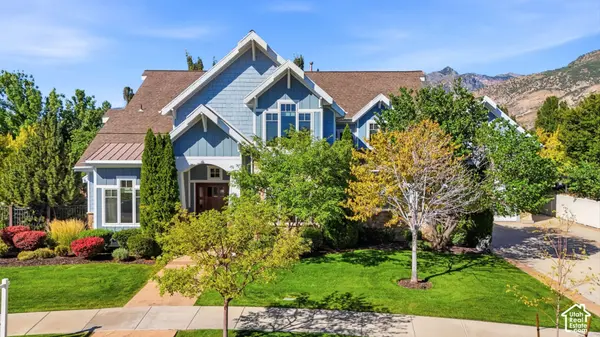
• Larger homes in hillside areas such as Traverse Mountain frequently exceeding $1 million
New construction continues expanding in communities such as Holbrook Farms and other developments on the west side of the city, while established areas like Ivory Ridge include larger homes with mature landscaping and neighborhood parks.
Buyers researching relocation may also want to review Moving to Lehi Utah in 2026 What Homebuyers Should Know, which explains the city’s neighborhoods, commute patterns, and community features.
Property Taxes in Lehi
Property taxes in Utah County are relatively moderate compared with many states across the country. This is one reason buyers relocating from states such as California, Washington, or Colorado often find the area appealing.
In many parts of Lehi, property tax rates typically fall between 0.5 percent and 0.7 percent of a home’s assessed value, depending on the tax district.
For example:
• A home valued around $600,000 might see annual property taxes roughly between $3,000 and $4,200.
Exact tax amounts vary depending on the specific neighborhood and local levies, so buyers should always confirm tax information for the property they are considering.
Utilities and Monthly Household Expenses
Utilities in Lehi generally follow patterns seen throughout the Wasatch Front.
Monthly costs may include:
• electricity and natural gas for heating and cooling
• water and sewer services through the city
• internet service, which is widely available throughout Utah County
Many newer homes built in Lehi over the past decade include energy efficient construction, which can help lower long term heating and cooling costs compared with older homes.
Transportation and Commuting Costs
Lehi sits along Interstate 15, one of the main transportation corridors running through the Wasatch Front. This location allows residents to commute north toward Salt Lake County or south toward Provo and Orem.
Common commute patterns include:
• north toward Draper and Salt Lake City
• south toward American Fork, Orem, and Provo
• west toward Saratoga Springs or Eagle Mountain
Many people working in the Silicon Slopes technology sector commute only a short distance because several large employers are located directly in Lehi.
Community Amenities and Lifestyle
The cost of living is not only about expenses. Access to parks, recreation, and community spaces also influences where people choose to live.
Lehi offers several well known community attractions including:
• Thanksgiving Point, which hosts museums, gardens, and cultural events
• Ashton Gardens, one of the largest public garden spaces in Utah
• the Jordan River Parkway Trail, a long trail system used for walking and biking
These amenities contribute to Lehi’s appeal for families and professionals relocating to northern Utah County.
Final Thoughts on the Cost of Living in Lehi
For buyers considering the Wasatch Front in 2026, Lehi offers a combination of employment opportunities, expanding residential neighborhoods, and access to outdoor recreation.
Housing remains the largest expense, but relatively moderate property taxes and proximity to major employment centers continue to make Lehi attractive to many relocation buyers moving to Utah County.
Understanding housing costs, commuting patterns, and community amenities can help buyers determine whether Lehi fits their long term plans.
Categories
Recent Posts