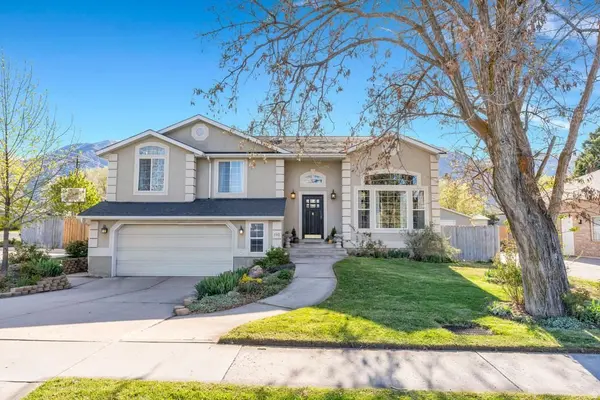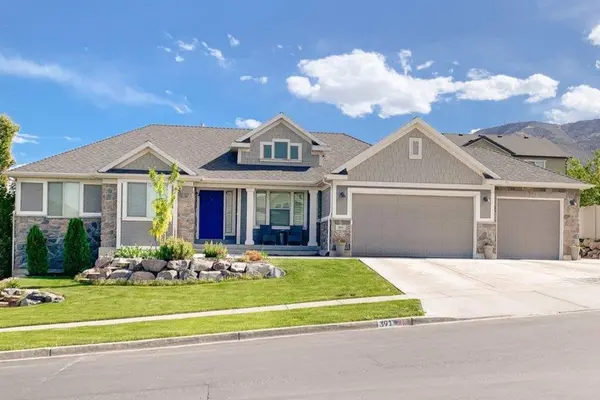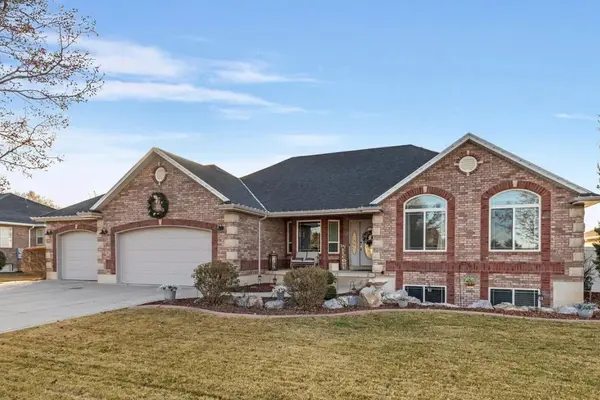
Why Days on Market Varies So Much by Neighborhood in Utah

Why Days on Market Varies So Much by Neighborhood in Utah
One of the most common questions buyers and sellers quietly research is why one home sells in a weekend while another sits for weeks. In Utah, days on market is not just about price or condition. It is strongly influenced by neighborhood dynamics, buyer behavior, and how inventory moves in specific areas.
Understanding these differences helps sellers set realistic expectations and helps buyers spot opportunities that others overlook.
Days on Market Is a Local Metric in Utah
Statewide averages only tell part of the story. Utah real estate behaves at a neighborhood level. Two homes with similar prices and features can perform very differently depending on where they are located.
Some Utah neighborhoods consistently see faster turnover due to commute patterns, school boundaries, or limited inventory. Others move more slowly even in strong markets because buyer demand is narrower or seasonal.
This is why pricing strategy and timing must be adjusted based on location, not just market headlines.
Buyer Demand Drives Speed More Than Condition
In Utah, buyer demand tends to cluster. Areas near major employment corridors, growing tech hubs, or established school districts often experience faster sales even when homes need updates.
Meanwhile, neighborhoods with larger lots, unique layouts, or rural settings may take longer to sell even when homes are well maintained. This does not mean the home is undesirable. It simply means the buyer pool is smaller and more selective.
Days on market reflects how many buyers are actively searching in that specific pocket at that moment.
Price Sensitivity Changes by Area
Some Utah neighborhoods are extremely price sensitive. Buyers there respond quickly when a home is priced correctly and hesitate when it is even slightly above perceived value.
Other areas allow more flexibility because inventory is limited or lifestyle appeal is strong. In these neighborhoods, homes may still sell quickly even if pricing is ambitious, especially when competition is low.
Understanding where pricing elasticity exists is critical. A strategy that works in one Utah community may backfire in another.
New Construction Influences Nearby Resale Homes
In parts of Utah where new construction is active, resale homes often experience longer days on market unless they are positioned carefully.
Buyers comparing resale homes to brand new options tend to pause longer, especially if incentives are available on new builds. This does not mean resale homes cannot compete. It means they must clearly communicate value, whether through price, location, lot size, or upgrades.
Neighborhoods without nearby new construction often see steadier resale activity and faster decisions.
Seasonality Affects Neighborhoods Differently
Utah seasonality does not impact all areas equally. Family focused neighborhoods often see stronger spring and summer activity tied to school calendars. Condo heavy or investor friendly areas may move more consistently year round.
Some neighborhoods slow dramatically during winter while others remain stable. Days on market data reflects these patterns clearly when viewed over time instead of month by month.
Why This Matters for Sellers in Utah
Sellers who rely only on county or city averages often misjudge timing and pricing. Neighborhood specific data provides a clearer picture of what buyers are actually doing.
A longer days on market does not always signal a weak market. It often signals a different buyer rhythm that requires patience and proper positioning.
Why This Matters for Buyers in Utah
For buyers, longer days on market can indicate opportunity rather than risk. Homes that sit longer are often overlooked due to timing, presentation, or simple buyer hesitation.
Understanding why a property has not sold quickly can uncover value that is invisible to less informed buyers.
The Bottom Line
Days on market in Utah is not a single story. It is a collection of neighborhood level patterns shaped by demand, pricing, inventory, and buyer expectations.
Whether buying or selling, understanding these differences leads to smarter decisions and fewer surprises.
Categories
Recent Posts