Is Winter in Utah Really That Bad? What Newcomers Should Know in 2026
Is Winter in Utah Really That Bad? What Newcomers Should Know in 2026
If you are relocating from a warmer climate, winter is usually the single biggest lifestyle adjustment. It is also one of the things people ask me about most, so here is an honest, real picture of what to expect, not the postcard version and not the horror story version.
The Actual Temperatures
January is typically the coldest month along the Wasatch Front, with average highs running 30 to 40 degrees and overnight lows regularly dropping below freezing, sometimes well below zero during cold snaps. December and February run similar, generally in the 30s during the day. It is a real winter, not a mild dusting, but it is also not the brutal extended deep freeze you would find in parts of the upper Midwest or Northeast.
Snowfall Varies a Lot by Elevation
Salt Lake City itself averages around 60 inches of snow a year at the valley floor. The mountains are an entirely different story, with the Cottonwood Canyons averaging 551 inches in a typical season, part of what locals call the Greatest Snow on Earth. Utah County sits a bit lower and drier than the Salt Lake side, so valley snow accumulation in cities like American Fork and Pleasant Grove tends to be lighter and melts off faster than what you would see closer to the canyons.
Ski Season Runs Longer Than Most People Expect
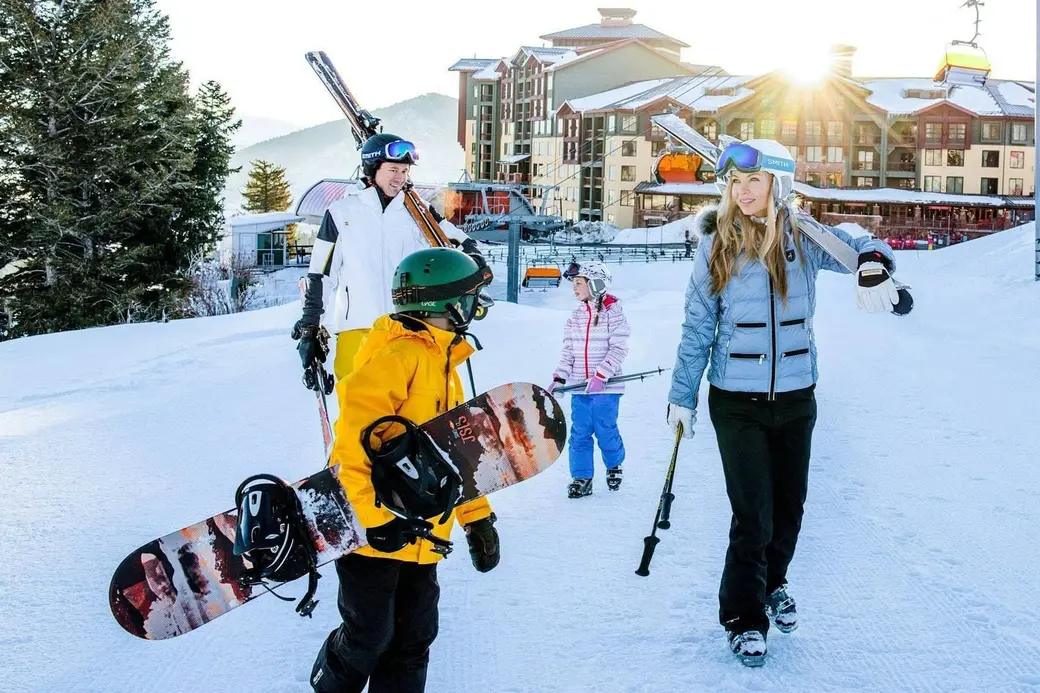
Utah's 15 ski resorts typically open in late November and run through mid-April, giving residents nearly five months of skiing and snowboarding within an hour or less of most Utah County cities. Snow years vary considerably, some seasons run well above average, others closer to normal or below, but the season length itself stays fairly consistent year to year.
Inversion Is the One Real Downside
During stretches of winter, cold air gets trapped in the valley under a layer of warmer air, and pollution builds up until a storm finally clears it out. This typically happens in bursts of a few days to a couple weeks at a time during the coldest, most stagnant stretches of winter, most commonly December through February. Air quality can genuinely suffer during these periods, which is worth knowing if anyone in your household has asthma or other respiratory concerns.
Driving Takes Some Adjustment
If you have never driven in snow before, budget real time to get comfortable with it. Utah County roads are generally well maintained and plowed quickly, but mountain routes and canyon roads can close temporarily during heavy storms. Most longtime residents keep an emergency kit in the car during winter months as a matter of habit, not paranoia.
The Upside Most Newcomers Do Not Expect
Winter here does not mean being stuck inside for five months. Between skiing, snowshoeing, and the simple fact that most winter days along the Wasatch Front are sunny even when it is cold, most transplants tell me winter became one of their favorite seasons within the first year or two, not something they were just enduring.
If you are relocating from a warmer climate and want an honest conversation about which Utah County cities handle winter weather best for your specific priorities, I would be glad to help. You can also get a sense of your current home's value at danarealtorutah.com/evaluation
Frequently Asked Questions
How cold does it actually get in Utah in the winter?
January highs typically run 30 to 40 degrees with overnight lows often below freezing, and cold snaps can push temperatures well below zero, particularly overnight.
Does Utah County get as much snow as Salt Lake City?
Generally less at the valley floor, since Utah County sits slightly lower and drier than areas closer to the Cottonwood Canyons, though mountain areas nearby still receive heavy snowfall.
Is winter air quality a serious concern in Utah?
It can be during inversion periods, which typically last a few days to a couple weeks at a time during the coldest, most stagnant winter stretches.
How long does ski season typically last?
Most Utah resorts open in late November and close in mid-April, giving residents close to five months of skiing within an hour of most Utah County cities.
Do I need special tires or equipment to drive in Utah winters?
Good all-season or dedicated winter tires are strongly recommended, and keeping an emergency kit in the car during winter months is common practice among longtime residents.
Curious what this looks like for your specific street? Text me at 801-636-3609, I'll answer personally, no auto-replies.
Categories
Recent Posts